Quick overview, common symptoms, first-aid steps, and when to get medical care.
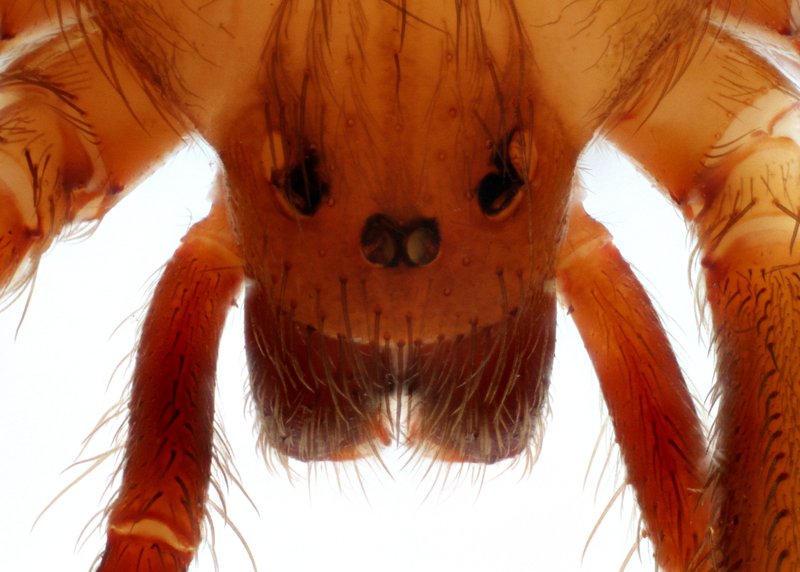
At-a-glance
- Most spider bites are harmless. A small number of bites (from spiders like widow or recluse species) can cause more severe symptoms.
- Common symptoms: localized pain, redness, swelling, sometimes blistering or systemic signs (rare).
- Identification challenge: Many “mystery bites” are actually caused by other insects, skin conditions, or infections.
How to tell if it's a spider bite
There is no single visual sign that guarantees a bite is from a spider. Consider the circumstances (did you see a spider bite you?), the appearance (single puncture vs many bumps), and any systemic symptoms (fever, spreading redness).
Typical patterns
- Single punctum with local swelling: possible spider or other insect sting.
- Blistering or necrotic center (rare): some recluse spider bites have progressive local tissue breakdown — seek care if you see this.
- Clustered small bumps: more often fleas, bedbugs, or allergic reactions than a spider bite.
Basic first aid
- Clean the area with soap and water.
- Apply a cool compress to reduce swelling and pain; avoid ice directly on skin.
- Over-the-counter pain relievers and oral antihistamines can help symptomatic relief (follow package directions).
- If you suspect a venomous bite or develop severe symptoms, seek medical care immediately.
When to get medical attention
Seek emergency care or contact a healthcare provider if you experience any of the following after a bite:
- Severe pain or progressive skin breakdown (worsening wound or a spreading sore)
- Fever, chills, nausea, or other systemic symptoms
- Signs of infection (increasing redness, warmth, pus)
- Difficulty breathing, swelling of the face or throat, or signs of an allergic reaction
Prevention & practical tips
- Shake out shoes, clothing, and bedding if stored in areas where spiders may hide.
- Use insect screens and seal gaps around doors and windows.
- Wear protective clothing (long sleeves, pants) when working in woodpiles, garages, or outdoors at night.
Note: This page provides general information and is not a substitute for professional medical advice. If you have serious concerns, contact a healthcare provider.
Quick checklist
- Was a spider seen near the bite?
- Is the lesion a single punctum or many bumps?
- Any fever or spreading redness?
Use the app to take a photo and compare the bite with curated examples and guidance.
FAQ
Can your app definitively diagnose a spider bite?References & further reading
Authoritative resources for more information:
- CDC — Ticks
- CDC — Scabies (for differential diagnoses)
- Mayo Clinic — First aid for insect bites
- University of Kentucky — Mystery Bites (reference)
- Cornell NYSIPM — Mystery Bites
Content adapted for clarity and public information. Sources include CDC and Mayo Clinic pages; this page is not a substitute for medical care.
Want to compare a photo?
Use the free online tool for a private, on-device comparison.